
Tire Size 195/70R14 in inches

The exact measurement for a 195/70R14 tire in inches is a 24.75-inch overall diameter, a 7.68-inch section width, and a 5.37-inch sidewall height. This metric size requires a 14-inch wheel.
Automotive technicians rely on these precise dimensions to calculate clearance, maintain speedometer accuracy, and ensure proper load distribution for older sedans and classic imports.
Metric to Imperial Conversion
Understanding the exact physical measurements of your vehicle’s rubber is mandatory for proper maintenance and safe daily operation.
Converting the dimensions of a 195 70r14 in inches requires applying a straightforward mathematical formula established by the Tire and Rim Association (TRA). The stamped sidewall code is not a random sequence; it serves as a highly specific engineering metric.
Standardizing tire measurements allows mechanics globally to communicate specifications flawlessly. The first three digits indicate the total width in millimeters from sidewall to sidewall.
The second two digits dictate the aspect ratio, indicating the sidewall’s height as a calculated percentage of that width. The final number designates the precise wheel diameter needed to ensure a secure bead seating against the metal rim.
Calculating 195 70R14 Tire Diameter and Height
Mechanics routinely map out the 195 70r14 tire diameter to guarantee an exact fitment before mounting new rubber onto a client’s vehicle. The initial section width measures 195 millimeters. Dividing 195 by the standard metric conversion factor of 25.4 reveals a 7.68-inch lateral width.
Determining the vertical sidewall measurement involves calculating 70 percent of that 7.68-inch width, yielding a sidewall profile of 5.37 inches. Multiplying this 5.37-inch sidewall by two accounts for both the top and bottom sections of the rubber profile.
Adding the 14-inch wheel dimension to that figure totals a precise 195 70r14 tire height of 24.75 inches from the ground to the top edge of the tread.
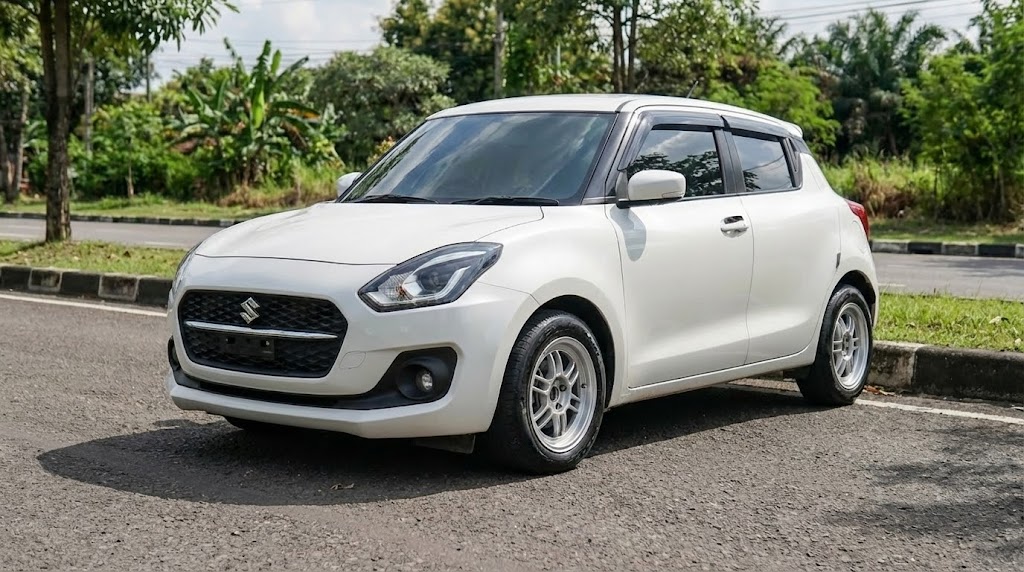
Evaluating Section Width and Tread Footprint
A 7.68-inch section width generates a highly effective road contact patch for standard passenger vehicles. Automotive engineers specified this exact footprint to balance rolling resistance with adequate surface grip under varying weather conditions.
A standard tire in this classification typically carries a load index of 91, indicating it safely supports up to 1,356 pounds per wheel at maximum air pressure.
Distributing vehicle weight evenly across a 7.68-inch surface ensures the chassis remains stable during emergency braking procedures. Proper bead seating against the rims ensures the tread block makes uniform contact with the pavement.
Uniform contact mitigates the risk of irregular treadwear, maximizes fuel economy, and sustains reliable steering feedback through the steering column.
Vehicle Dynamics and the 195/70R14 Application
Physical tire dimensions heavily dictate the functional handling characteristics of any vehicle on the road. The 195 70 14 diameter produces specific ride dynamics that heavily prioritize highway comfort over aggressive lateral maneuvering.
Professional technicians evaluate these structural dynamics to inform clients about exact performance expectations regarding steering response, road noise isolation, and long-term durability.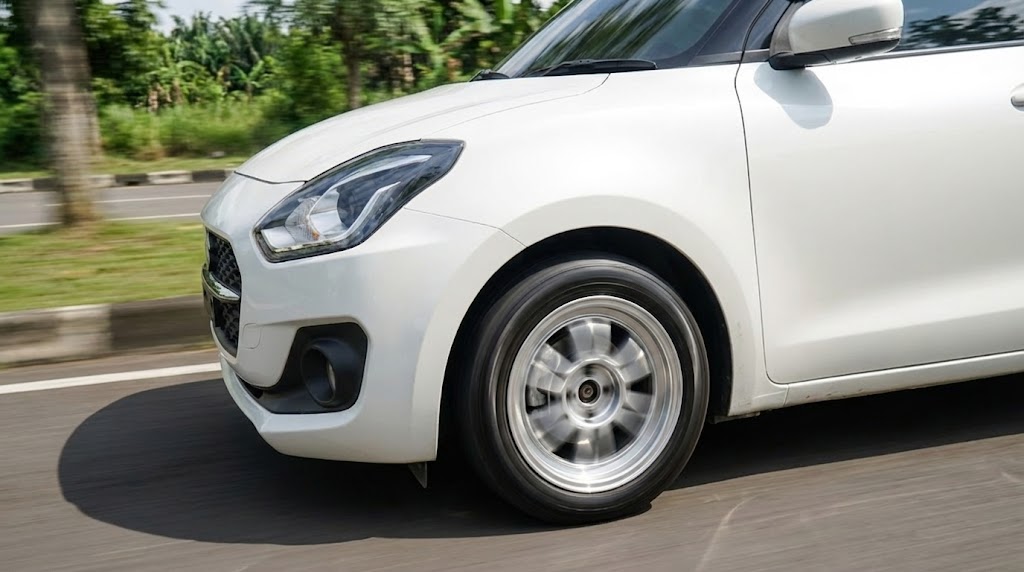
Ride Comfort and the 70-Series Sidewall
Taller sidewall profiles naturally reduce lateral stiffness within the suspension system. A 5.37-inch cushion between the metal rim and the asphalt effectively absorbs kinetic forces originating from potholes, expansion joints, and uneven road surfaces.
Vehicles equipped with a 70-series aspect ratio experience a softer, more compliant ride that shields passengers from harsh impact vibrations.
The physical trade-off involves increased sidewall flex during sharp cornering. Professional shop managers recognize that this geometry is explicitly engineered for smooth, long-distance highway cruising rather than high-performance track driving or rapid lane changes. Maintaining proper tire pressure is required to prevent this taller sidewall from rolling over itself during sudden directional inputs.
Common OEM Fitments for Legacy Vehicles
Automotive manufacturers heavily relied on this specific sizing for mid-size sedans and import vehicles assembled throughout the 1990s. Models such as the early-generation Honda Accord, Toyota Camry, and Nissan Altima utilized this exact specification to optimize factory suspension geometry and fuel efficiency.
Many classic car restoration projects require this precise standing height to pass strict historical inspection standards. Maintaining the operational integrity of these legacy automobiles requires sourcing the correct 14-inch replacement tires to preserve the original driving experience and factory suspension alignment. Substituting sizes without professional consultation often disrupts the intended balance of these older chassis designs.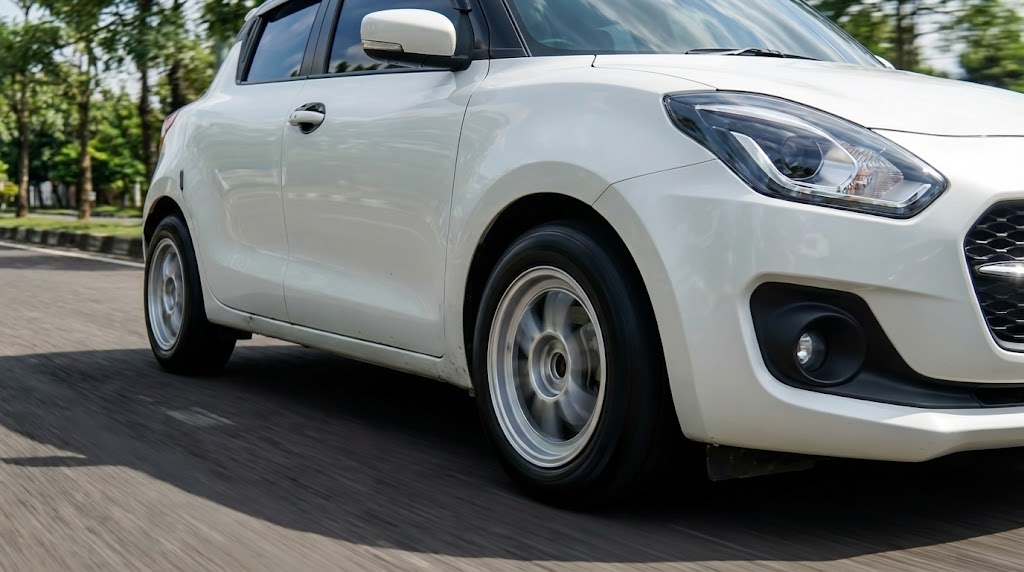
Alternative Fitments and Plus-Zero Sizing Tolerances
Locating exact production matches for older 14-inch wheel diameters can sometimes require exploring alternative metric codes.
Mechanical technicians utilize a logic framework known as plus-zero sizing to identify safe, compatible substitutes without forcing a client to purchase modified aftermarket wheels.
Keeping the overall 195 70r14 diameter within a strict three percent tolerance threshold is mandatory to prevent mechanical interference and electronic sensor malfunctions.
Suspension Clearance and Speedometer Accuracy Calibration
Altering the overall standing height of a vehicle directly impacts the transmission speed sensor and anti-lock braking systems. The vehicle’s internal computer calculates ground velocity based on the original factory rolling radius.
Changing the overall standing diameter by more than a few tenths of an inch will cause the dashboard speedometer to display an incorrect speed reading.
Older sedans rely on specific suspension articulation parameters. Installing a tire that exceeds the factory diameter limit restricts upward suspension travel. During heavy compression over speed bumps, oversized rubber will scrape against the strut housing or the plastic fender liner, causing immediate structural damage.
Comprehensive fitment evaluation guarantees the newly installed rubber safely clears the inner fender wells at full steering lock and prevents the ABS sensors from misreading the wheel’s revolutions per minute.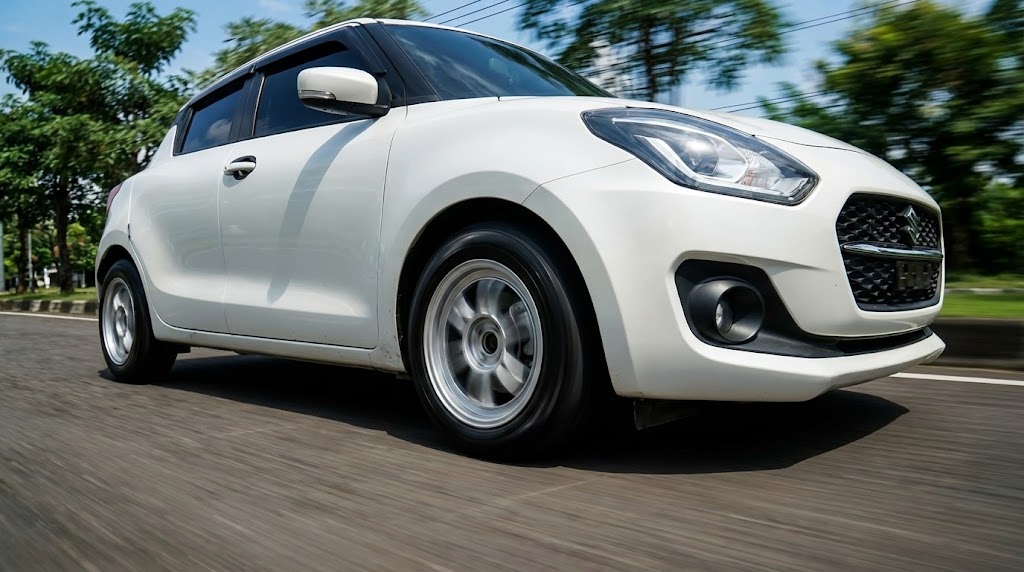
Cross-Referencing 185/75R14 and 205/65R14 Sizes
Two standard alternatives exist for drivers unable to source the original specification in their local market. A 185/75R14 offers a slightly narrower footprint paired with a fractionally taller sidewall, resulting in an overall standing measurement of 24.93 inches. A 205/65R14 provides a wider lateral stance alongside a marginally shorter sidewall, measuring 24.49 inches vertically across the center.
Both alternative options remain safely within acceptable clearance limits for a standard 14-inch factory setup. The 185/75R14 generates a negligible 0.7 percent speedometer error, meaning a dashboard reading of 60 mph translates to an actual speed of 60.4 mph.
The 205/65R14 creates a 1.0 percent discrepancy, indicating 59.4 mph at the exact same dashboard reading. Mechanics verify these minute variances to ensure clients remain legally compliant on public highways while keeping their original wheels completely intact.

Mark Takahashi, Car parts guru with a passion for mechanics. Blogger extraordinaire, translating auto jargon into everyday magic. Drive into his world of knowledge!