
Tire Size 185/60R15 in Inches

A 185/60R15 tire is 23.74 inches tall (overall diameter) and 7.28 inches wide. It requires a 15-inch wheel. Translating these metric specifications into imperial measurements provides technicians and drivers with accurate dimensional data necessary for safe wheel fitment, suspension clearance checks, and routine vehicle maintenance.
- Diameter: 23.74″
- Width: 7.28″
- Sidewall: 4.37″
- Wheel: 15″
Measurement Chart
Our technicians use standard conversion tables to verify suspension clearances and ensure proper wheel fitment prior to installation. The following table provides the exact metric to imperial breakdown for this specific tire size.
| Measurement | Metric | Imperial |
| Section Width | 185 mm | 7.28″ |
| Sidewall Height | 111 mm | 4.37″ |
| Wheel Diameter | 381 mm | 15.00″ |
| Overall Diameter | 603 mm | 23.74″ |
| Circumference | 1894 mm | 74.58″ |
Mathematical Conversion Process for Automotive Sizing
Industry technicians rely on a straightforward mathematical formula to calculate the overall diameter of any metric tire. Finding the exact dimensions of a 185/60r15 in inches begins with converting the 185-millimeter section width. Dividing 185 by 25.4 (the number of millimeters in one inch) yields a physical tread width of 7.28 inches.
Multiplying the section width by the aspect ratio determines the sidewall dimension. Calculating 60% of 185 millimeters gives a sidewall height of 111 millimeters.
Dividing 111 by 25.4 converts this height to 4.37 inches. Because a tire has two sidewalls (top and bottom relative to the wheel), professionals multiply the 4.37-inch sidewall by two, equaling 8.74 inches. Adding the 15-inch wheel diameter to the 8.74 inches of total sidewall results in the final overall diameter of 23.74 inches.
Vehicle Dynamics and Expected On-Road Performance
Our alignment specialists evaluate suspension geometries daily to optimize tire performance. The 7.28-inch section width of the 185/60r15 creates a highly efficient contact patch.
This relatively narrow footprint easily slices through standing water, effectively displacing rain through the tread grooves to resist hydroplaning. Furthermore, the reduced surface area lowers overall rolling resistance, directly improving the vehicle’s highway fuel economy.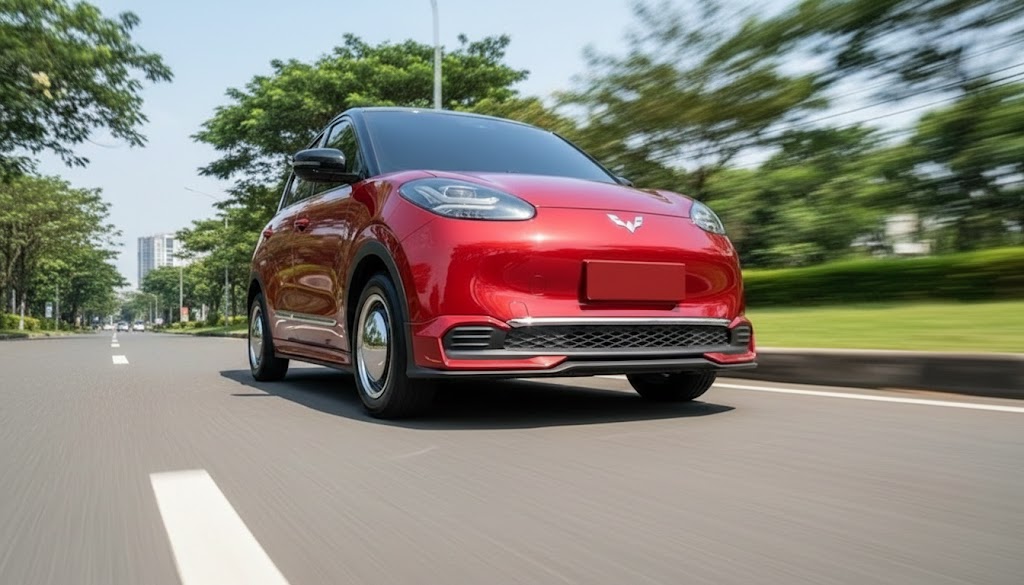
Maintaining the 4.37-inch sidewall height provides adequate structural flex to absorb potholes and road imperfections. This creates a smooth, compliant ride profile without sacrificing steering responsiveness.
The radial construction ensures the internal steel belts remain stable during high-speed transit, keeping the tread flat against the pavement for optimal traction and predictable cornering behavior.
Common Factory Applications and Standard Fitment
Compact sedans and economic hatchbacks utilize this specific sizing extensively from the factory. Automakers engineer steering racks, wheel wells, and suspension dampers specifically around the 23.74-inch diameter to maximize interior cabin space while retaining proper ground clearance. Common vehicles requiring this dimension include earlier generations of the Toyota Yaris, Honda Fit, and Volkswagen Polo.
Automotive engineers select this size because it perfectly balances unsprung weight with load-carrying capacity. Lighter wheel and tire assemblies allow the suspension components to react faster to road variations. Drivers replacing their factory equipment should always verify their vehicle’s required load index and speed rating, located directly on the driver’s side door placard, before finalizing a purchase.
Analyzing Plus-Zero Sizing and Alternative Options
Facility managers and fitment specialists occasionally recommend alternative sizing based on regional availability, seasonal requirements, and specific driving conditions. Retaining the factory overall diameter remains the primary safety goal during any dimensional modification.
Upsizing to a 195/55R15 widens the contact patch to 7.68 inches while dropping the overall diameter slightly to 23.44 inches. This alternative keeps the variance well within the safe 3% threshold recognized by automotive professionals.
Upgrading the section width provides slightly more lateral grip during aggressive cornering, though it may marginally decrease fuel efficiency.
Drivers seeking exact factory matches or safe alternative fitments should always consult certified professionals before purchasing 15-inch replacement tires. Proper clearance checks prevent the inner tire shoulder from rubbing against the suspension struts during full-lock turns.
Speedometer Calibration and Electronic Sensor Protocols
Modern vehicles utilize complex electronic modules that rely heavily on precise rotational data. The engine control unit (ECU) and anti-lock braking system (ABS) both calibrate their algorithms based on the factory 23.74-inch tire diameter.
As the tire completes one full rotation, it travels exactly 74.58 inches across the pavement. Wheel speed sensors track these rotations to calculate the exact speed displayed on the dashboard.
Altering the standard tire diameter by more than 3% introduces severe mechanical and electronic risks. Taller tires cause the speedometer to read slower than the actual vehicle speed, potentially leading to unintentional traffic violations.
Additionally, incorrect tire heights alter the final drive gear ratios, forcing the transmission to shift at suboptimal RPMs and compromising accurate mileage tracking on the digital odometer.
Proper Maintenance Protocols for Compact Vehicle Tires
Routine pressure checks ensure the tread wears evenly across the compact contact patch, maximizing the operational lifespan of the rubber. Technicians recommend inspecting cold tire pressures bi-weekly using a calibrated digital gauge.
Underinflation causes the 7.28-inch tread to cup, shifting the vehicle’s weight to the outer shoulders and generating excessive heat buildup within the sidewall structure.
Drivers must also adhere to strict rotation schedules every 5,000 to 7,000 miles. Front-wheel-drive vehicles place tremendous steering and braking stress on the front axle, causing the forward tires to wear significantly faster than the rears.
Moving the rear tires to the front promotes uniform tread degradation, maintaining optimal water evacuation channels and preserving maximum traction throughout the lifespan of the tire set.

Mark Takahashi, Car parts guru with a passion for mechanics. Blogger extraordinaire, translating auto jargon into everyday magic. Drive into his world of knowledge!