
Tire Size 305/50R20 in Inches
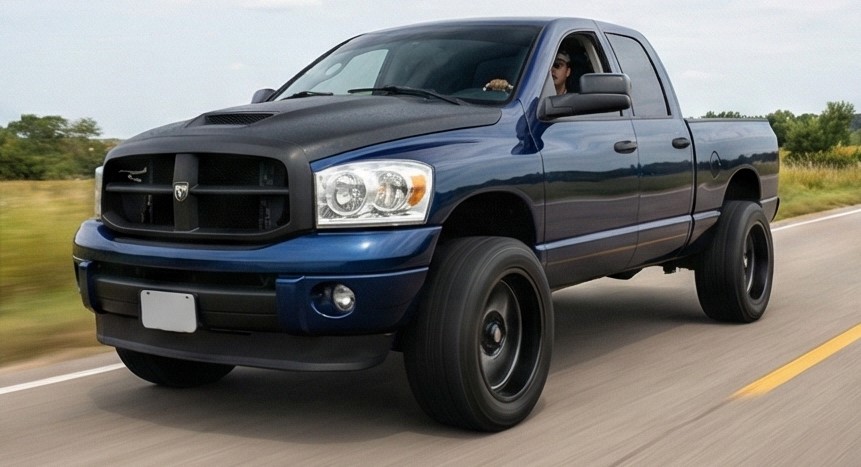
A 305/50R20 tire is 32.01 inches tall in overall diameter and 12.01 inches wide. This specific metric profile is designed to mount exclusively on a 20-inch wheel.
- Diameter: 32.01″
- Width: 12.01″
- Sidewall: 6.00″
- Wheel: 20″
Direct Metric to Inch Dimensions
The technical specifications of a tire size are determined by standard engineering calculations. Transforming a metric tire profile into imperial inches requires breaking down the three distinct numbers found on the tire sidewall.
| Dimension | Metric | Imperial |
| Section Width | 305 mm | 12.01 inches |
| Sidewall Height | 152.5 mm | 6.00 inches |
| Wheel Diameter | 508 mm | 20.00 inches |
| Overall Diameter | 813.1 mm | 32.01 inches |
Drivers often categorize this specification as a 32×12.00R20 or a 33×12.00R20 equivalent depending on how the specific manufacturer molds the outer tread block. The nominal calculations show that it sits exactly on the border of those two standard flotation sizes.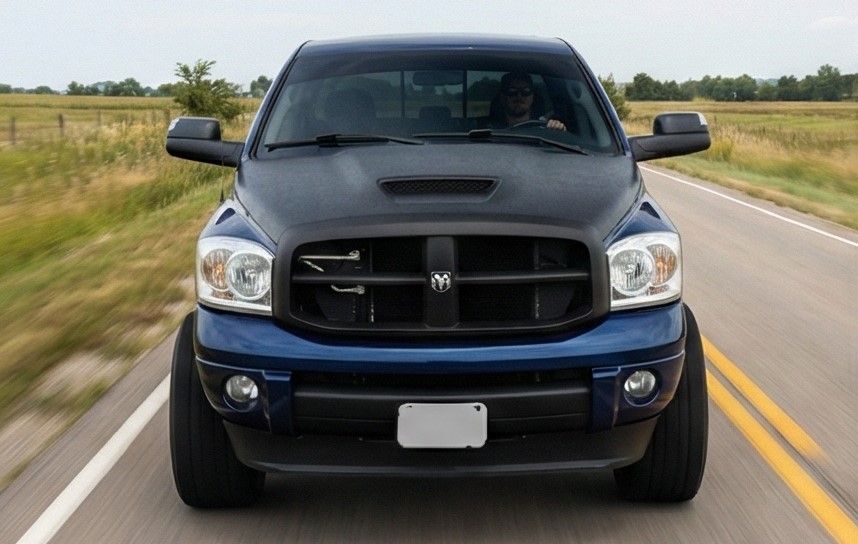
Calculating 305/50R20 Tire Sizing
The math behind a 305/50R20 conversion to inches relies on converting millimeters to imperial units using the standard factor of 25.4 millimeters per inch.
The initial number in the sequence represents the section width, which is 305 millimeters. Dividing 305 by 25.4 yields a width of 12.01 inches. This width establishes the overall footprint of the tire from sidewall to sidewall.
The middle number indicates the aspect ratio as a percentage of the width. A 50% aspect ratio means the sidewall height is exactly half of the 12.01-inch section width, resulting in a 6.00-inch sidewall depth.
The final number indicates the required wheel hub diameter. The total height is determined by adding the 20-inch wheel diameter to both the upper and lower sidewall heights ($20 + 6.00 + 6.00$), giving an overall diameter of 32.01 inches.
Wheel Width and Alignment Specs
Proper rim matching ensures optimal tread wear, sidewall stability, and safety. A wide footprint requires an appropriately sized wheel width to keep the tire bead firmly seated under load.
- Approved Rim Range: 8.5 inches to 11.0 inches
- Optimal Rim Width: 9.5 inches or 10.0 inches
- Minimum Rim Width: 8.5 inches
Mounting these 305/50R20 tire dimensions on a narrow 8-inch factory rim can pinch the sidewalls, causing uneven center-tread wear. Utilizing a 10-inch wide aftermarket wheel provides a flat contact patch that stabilizes handling and improves cornering performance.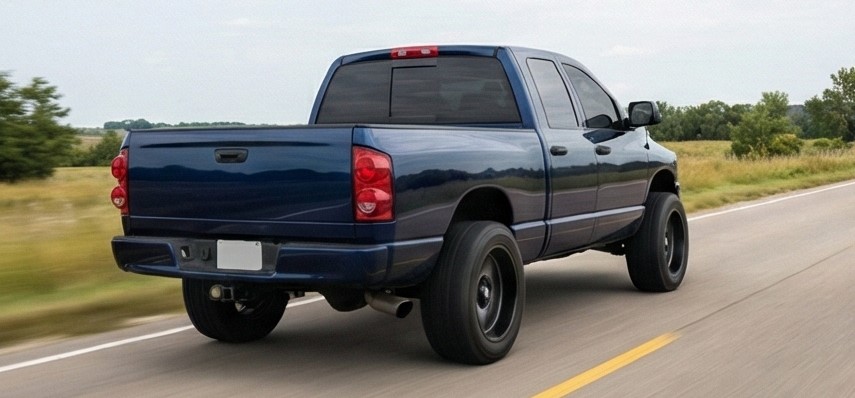
Fitment Realities
Vehicle clearance depends heavily on the interaction between tire width, suspension height, and wheel offset. This wide profile presents unique packaging challenges compared to narrow factory tires.
| Dimension | Status | Notes |
| Overall Height | ✅ Clears | 32.01″ (Clears most stock arches) |
| Section Width | ⚠️ Risk | 12.01″ (Risk of inner suspension rub) |
| Wheel Offset | ⚠️ Caution | Requires careful spacing configuration |
Stock half-ton trucks can generally clear a 32-inch total height without a suspension lift. The 12.01-inch width can cause mechanical interference with upper control arms or inner fender liners at a full steering lock.
Aftermarket wheels with a slight negative or zero offset push the tire outward to clear inner chassis components. A minor 2-inch leveling kit is highly recommended for modern Ford, Chevy, and Ram platforms to guarantee zero rubbing during suspension articulation.
Drivetrain and Speedometer Performance
Altering the rolling circumference of a vehicle affects mechanical calibration and electronic readouts. Replacing a standard factory tire with this profile can create minor operational variances.
Speedometer Note: A larger rolling circumference causes the vehicle speedometer to read slightly slower than the actual over-the-ground velocity.
Drivetrain computers calculate speed based on axle revolutions per mile. Upgrading to a wider, heavier construction increases unsprung mass, which can slightly alter transmission shift points and lower city fuel economy.
Utilizing a standard tire size calculator or a handheld calibration programmer can correct the vehicle ECU to ensure precise speedometer accuracy.

Mark Takahashi, Car parts guru with a passion for mechanics. Blogger extraordinaire, translating auto jargon into everyday magic. Drive into his world of knowledge!